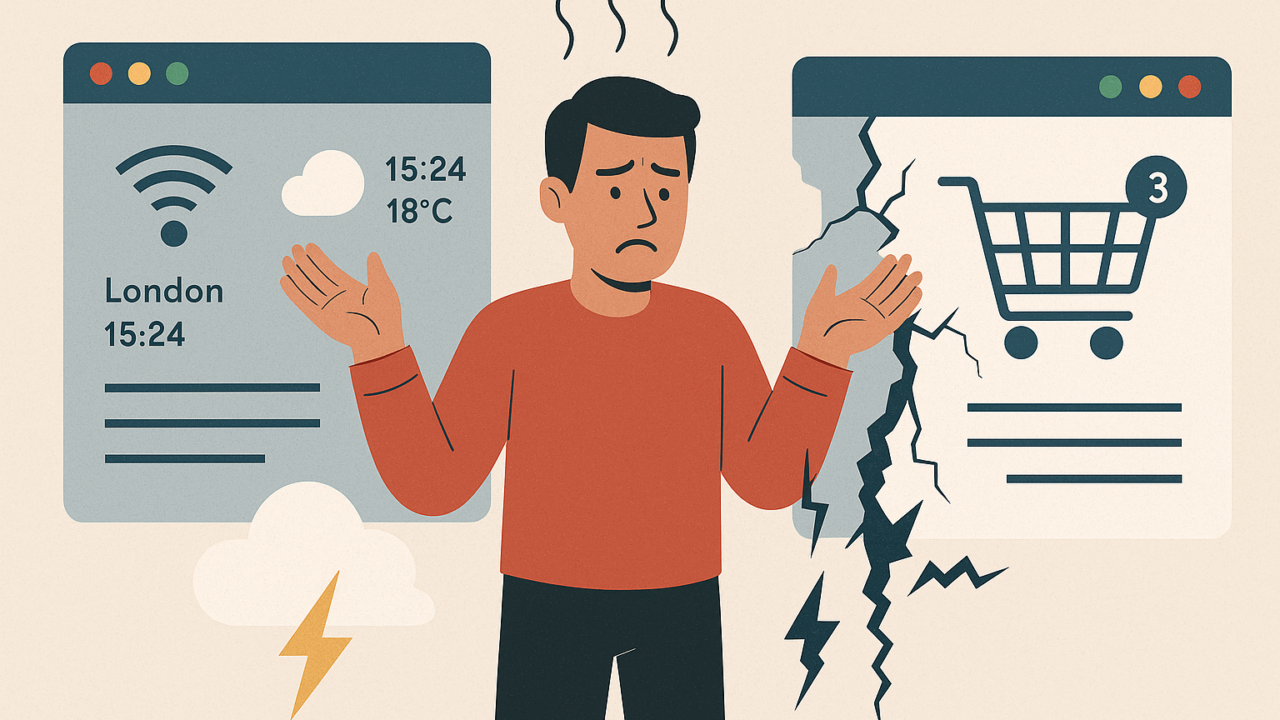

There was a time when new smartphones felt genuinely exciting. Each launch brought a noticeable leap: bigger screens, better cameras, faster performance, or entirely new ways to interact with a device. Upgrading felt like stepping into the future.
Today, that feeling is harder to find. New phones arrive every year, yet many users struggle to explain what’s meaningfully different from the one they already own. The changes are real—but subtle. Battery life improves slightly. Cameras gain computational tricks. Chips become more efficient. For many people, the smartphone experience feels largely the same as it did several years ago.
This sense of stagnation points to what many observers now call the smartphone innovation plateau.
When Progress Became Incremental
Smartphones are no longer new technology. They are mature, deeply optimized products. Early breakthroughs came from solving obvious problems: portability, responsive touchscreens, mobile internet access, and app ecosystems. Once those foundations were in place, innovation shifted from transformation to refinement.
Instead of redefining how phones are used, modern upgrades focus on polishing what already exists. Screens get brighter, cameras get smarter, and software runs more smoothly. These changes matter, but they rarely alter daily habits. Progress hasn’t stopped—it has simply become incremental.
Hardware Has Hit Practical Limits
Part of the smartphone innovation plateau comes down to practical limits. Improving battery life in a meaningful way has proven difficult, not because companies aren’t trying, but because battery technology itself advances slowly.
A 2023 article in Nature Communications explains that today’s lithium-based batteries face several built-in constraints, from materials and cost to safety and manufacturing challenges, which makes big breakthroughs rare.
Heat is another limiting factor. Tests of modern smartphones show that under heavy use, devices can warm up quickly, forcing systems to slow down to protect hardware and battery health.
Together, these battery and heat constraints help explain why most hardware improvements arrive as small, steady refinements rather than dramatic leaps.
Displays can only get so sharp before differences become hard to notice, and processors can only get so fast before extra power turns into heat instead of visible speed.
Software Feels Familiar by Design
Software also contributes to the plateau. Mobile operating systems have settled into stable patterns that users understand. Radical interface changes risk confusion and backlash, so companies tend to favor gradual refinements over major redesigns.
Android and iOS have both evolved this way. Interface changes are typically layered on top of familiar structures rather than replacing them outright, reinforcing consistency at the expense of novelty. This stability improves usability, but it also reinforces the sense that little is changing from year to year.
Longer Upgrade Cycles Tell the Story
One of the clearest signs of slowing innovation is how long people now keep their phones. Many users upgrade only when batteries degrade or software support ends, not because they’re eager for new features.
Reporting by The Wall Street Journal has shown that consumers are holding onto smartphones longer than in the past, often three to four years or more, as incremental improvements fail to justify frequent upgrades.
This shift benefits consumers, but it challenges an industry built around annual release cycles and constant hardware refreshes.
Foldables and Features as a Response
Manufacturers are not unaware of this slowdown. Foldable phones, new form factors, and experimental features represent attempts to reignite excitement. Some ideas show promise, but most remain niche.
Analysis from The Verge has noted that foldables are often positioned as the next big leap, even as questions remain about durability, cost, and whether they meaningfully change how people use their phones.
At the same time, many new features feel more like ways to differentiate products than solutions to real problems. Camera modes, AI enhancements, and exclusive software tricks can sound impressive without becoming essential.
When Phones Became Infrastructure
Smartphones may feel less exciting because they have become invisible infrastructure. Like electricity or running water, they are essential but unremarkable. People notice them most when something breaks.
This maturity reflects success, not failure. Phones work so reliably that they fade into the background of daily life. But that reliability clashes with an industry that depends on novelty to drive attention and sales.
Rethinking What Innovation Looks Like
True innovation may no longer come from adding features or chasing specs. It may come from making phones quieter, longer-lasting, easier to repair, and less demanding of attention.
For many users, the next meaningful improvement isn’t a new capability, but fewer interruptions, longer battery health, simpler interfaces, and devices that respect focus and time. In a mature market, restraint can be as valuable as novelty.
The Plateau Isn’t the End
The smartphone innovation plateau doesn’t mean progress has stopped. It means progress has slowed, stabilized, and changed direction. The era of dramatic leaps may be over, but the era of refinement, longevity, and responsibility is taking shape.
If smartphones feel boring, it may be because they’re finally doing their job well. And perhaps the most meaningful innovation ahead isn’t making phones more impressive—but making them easier to live with.